Commercial IAQ Testing
and HVAC Compliance
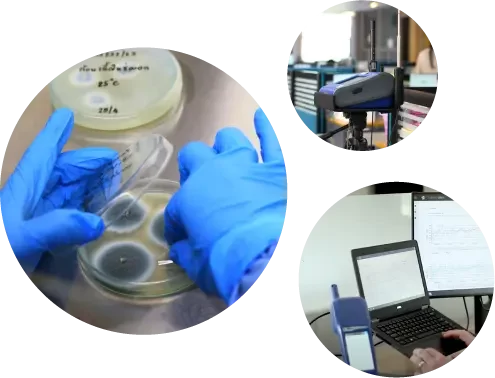
Ensure your facility meets essential WH&S standards with expert onsite Indoor Air Quality inspections. We provide comprehensive technical reporting and data-driven insights, supported by NATA accredited laboratory analysis.
Airborne Mould/Bacteria Testing
Post Remediation Verification (PRV)
S520 Professional Mould Remediation
Volatile Organic Compound (VOC) Monitoring
Indoor Environmental Quality (IEQ) Assessments
Microbiological Surface Sampling
INDOOR AIR QUALITY
Ensuring Safe, Clean Air for a Healthier Indoor Environment
By maintaining a documented history of air quality, potential issues or complaints can be addressed quickly and fairly, promoting a safe and healthy work environment.
Testing is conducted using specialist methods including:
- Direct measurement with direct reading instruments and continuous monitoring.
- Active sampling followed by detailed laboratory analysis.
- Passive sampling complemented by thorough laboratory analysis.
METHODOLOGY
Air Sampling, Surface, Biological, and Active Monitoring
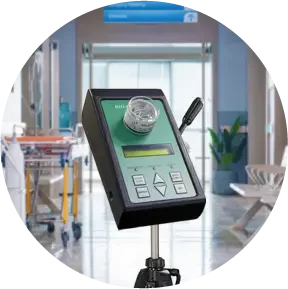
Indoor air quality (IAQ) testing methods vary depending on the contaminants being measured. Here are some common methods used for assessing indoor air quality:
Air Sampling
- Carbon Dioxide (CO₂): Non-dispersive infrared (NDIR) sensors measure CO₂ levels, which are often used as an indicator of ventilation efficiency.
- Carbon Monoxide (CO): Electrochemical sensors can detect low levels of CO, a hazardous gas often released by combustion appliances.
- Volatile Organic Compounds (VOCs): Gas chromatography or a portable photoionisation detector (PID) can be used to measure VOC levels in indoor air.
- Particulate Matter (PM): Laser particle counters or gravimetric sampling devices are used to detect the concentration of PM2.5 and PM10 in the air.
Surface Sampling
- Mould and Fungi: Surface swabs or tape lift samples can be taken from HVAC ducts, walls, or surfaces to identify the presence of mould or fungal growth.
- Dust Sampling: Collection of settled dust for allergen or contaminant analysis can provide insight into the long-term air quality and pollutant sources.
Active Monitoring
- Continuous IAQ Monitors: These can measure real-time levels of several pollutants, including VOCs, CO₂, humidity, temperature, and particulate matter. These devices are used in offices or homes for ongoing IAQ assessments.
- Air Quality Sensors: These small, portable devices can measure multiple air quality factors (e.g., VOCs, CO₂, temperature, humidity) and provide data for trend analysis.
Biological Contaminants Testing
- Bacteria and Viruses: Air or surface sampling can be performed to detect microbial contaminants. Polymerase Chain Reaction (PCR) and culture methods are used to identify specific microorganisms.

Swab
Sampling

Bio-tape
Lift

Cassette
Cell Capture

Active Air
Monitoring
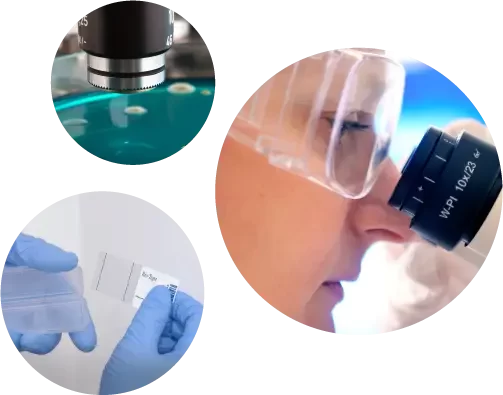
NATA Approved Labs
Our environmental professionals have over 30 years of experience in testing Indoor Air Quality and can prepare you an expert scientific report. Clean-Air uses high-quality NATA (National Association of Testing Authorities Australia) calibrated equipment and works exclusively with NATA approved professional laboratories.

HEALTH RESEARCH
The Impacts of Mould Exposure
Millions of people have allergies, and mould is a common irritant. Mould is also a known trigger of asthma. Symptoms of exposure to mould can be as basic as nasal congestion or watery eyes but in some cases, symptoms can be much more serious. Certain types of mould give off mycotoxins that can be the source of severe health issues and complications.
EXPOSURE SYMPTOMS
The Invisible Threat to Wellbeing
Symptoms of mould exposure range from:
- Headache, fatigue, shortness of breath
- Sinus congestion, coughing and sneezing
- Eye, nose, throat and skin irritation
- Dizziness and nausea

Not everyone has the same sensitivity to mould so it is possible for one person to experience discomfort while others in the building or office present no symptoms whatsoever. Individuals at the greatest risk include:
- Allergy and asthma sufferers
- People with respiratory disease
- People with compromised immune systems
- Contact lens wearers
RISK & LIABILITY
The Reality of Sick Building Syndrome
While mould is natural, it becomes a high-risk commercial liability when concentrated within HVAC systems. Toxic strains, such as Stachybotrys chartarum, produce mycotoxins that are primary drivers of Sick Building Syndrome—a leading cause of workplace health complaints and decreased building performance.
The Impact on Your Workforce Modern Australians spend approximately 90% of their time indoors, making air delivery systems the primary vector for harmful microorganisms. When IAQ is compromised, the liability extends beyond health to the bottom line. Research confirms that poor indoor air quality leads directly to:
- Respiratory Issues: Asthma, bronchitis, and chronic rhinitis.
- Systemic Fatigue: Headaches, lethargy, and reduced cognitive function.
- Immune Suppression: Increased vulnerability to infection and "flu-like" symptoms.
- Economic Loss: Decreased productivity, increased absenteeism, and potential WH&S claims.
OUR RESPONSIBILITY
Protecting Your Building and Occupants
We believe a building is only as healthy as the air it breathes. Under-maintained HVAC systems aren't just inefficient—they are a threat to your compliance and employee wellbeing.
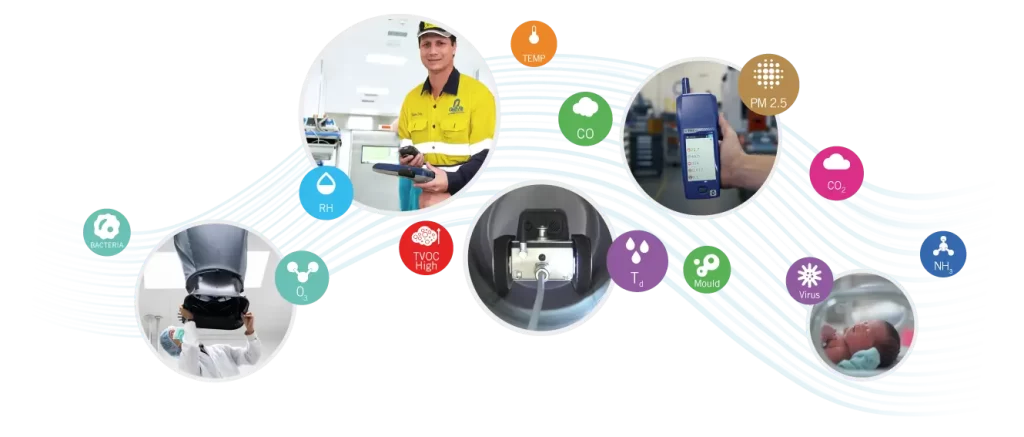
Clean-Air specialists assess, scope, and remediate biological contamination at the source, neutralising risks and restoring your indoor environment to safe, professional standards.
Start the conversation
Talk to the Clean-Air Team
For HVAC Hygiene advice and services, talk with a Clean-Air® expert today. Call our office on 07 3274 2833 or email sales@cleanairaust.com.au for info.
Should we call you? Fill in the form to arrange a call back.





OFFICIAL PROVIDER OF